

The field of heritage and restoration stonemasonry is a complex and intricate one, requiring a deep understanding of both the historical and technical aspects of the craft. This article will delve into the concept of structural integrity, a key principle in the discipline, and explore its implications for the practice of stonemasonry.
Structural integrity refers to the ability of a structure to withstand its intended load without experiencing failure. In the context of heritage and restoration stonemasonry, this involves ensuring that historic stone structures are preserved and restored in a way that maintains their original strength and stability. This is a delicate balancing act, requiring a careful blend of historical knowledge, technical skill, and artistic sensibility.
Understanding Structural Integrity
The concept of structural integrity is rooted in the field of engineering, and involves a deep understanding of the forces that can act upon a structure. These forces can be external, such as wind or seismic activity, or internal, such as the weight of the structure itself or the materials used in its construction.
Structural integrity is not simply about ensuring that a structure can withstand these forces, but also about understanding how these forces interact with the materials used in the structure. Different materials have different strengths and weaknesses, and understanding these characteristics is crucial in ensuring the structural integrity of a building.
The Role of Materials in Structural Integrity
Materials play a crucial role in the structural integrity of a building. Different materials have different properties, such as strength, durability, and elasticity, which can affect how they respond to various forces. For example, stone is a very strong and durable material, but it is also brittle and can crack under certain conditions.
Understanding the properties of the materials used in a structure is crucial in preserving its structural integrity. This involves not only understanding the physical properties of the materials, but also their historical and cultural significance. For example, the use of a particular type of stone in a historic building may have been a reflection of the local geology or cultural practices of the time.
Assessing Structural Integrity
Assessing the structural integrity of a historic stone structure is a complex process that requires a deep understanding of both the technical and historical aspects of the building. This involves a thorough examination of the building, including its materials, construction techniques, and any previous repairs or modifications.
This assessment can reveal a wealth of information about the building, including potential weaknesses or areas of concern. For example, cracks in the stone may indicate a problem with the foundation, while signs of water damage could suggest a leak in the roof. Understanding these signs and what they mean is crucial in maintaining the structural integrity of the building.
Preserving Structural Integrity
Preserving the structural integrity of a historic stone structure is a delicate balancing act. On one hand, it is important to maintain the original materials and construction techniques as much as possible. On the other hand, it is also necessary to make any necessary repairs or modifications to ensure the building’s safety and stability.
This process often involves a combination of traditional stonemasonry techniques and modern engineering principles. For example, a cracked stone may be repaired using a traditional lime mortar, while a failing foundation may require the use of modern reinforcement techniques.
Traditional Stonemasonry Techniques
Traditional stonemasonry techniques play a crucial role in preserving the structural integrity of a historic stone structure. These techniques, which have been honed over centuries of practice, are designed to work with the natural properties of the stone, rather than against them.
For example, a traditional stonemason would carefully select and shape each stone to fit perfectly within the structure, using only a minimal amount of mortar. This technique, known as dry stone walling, creates a strong and durable structure that can withstand a wide range of forces.
Modern Engineering Principles
While traditional stonemasonry techniques are crucial in preserving the structural integrity of a historic stone structure, they are often complemented by modern engineering principles. These principles can provide additional strength and stability, particularly in areas where the original materials or construction techniques are no longer sufficient.
For example, a failing foundation may be reinforced using steel rods or concrete, while a cracked stone may be repaired using a modern epoxy resin. These techniques, while not traditional, can help to ensure the long-term survival of the building.
Restoring Structural Integrity
Restoring the structural integrity of a historic stone structure is a complex and delicate process. It involves not only repairing any existing damage, but also preventing future damage by addressing any underlying issues. This requires a deep understanding of both the technical and historical aspects of the building.
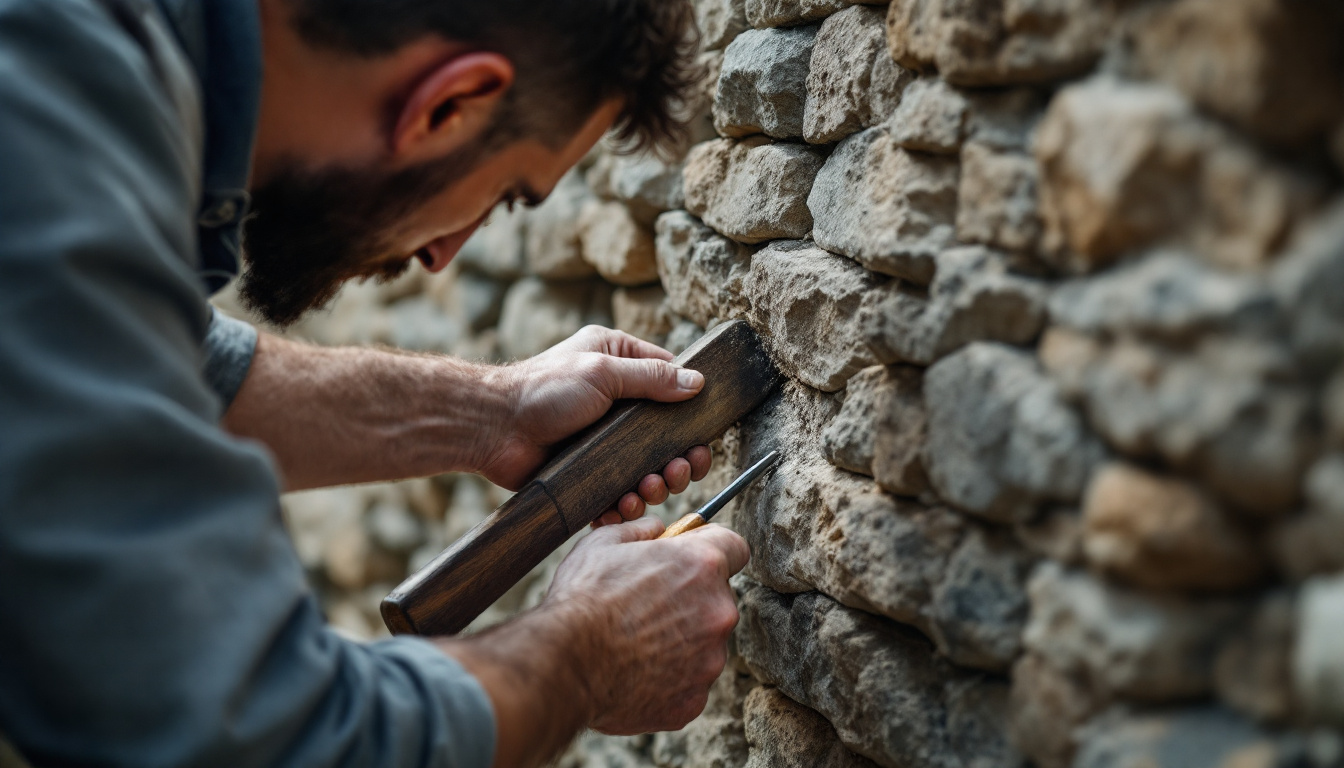
For example, a cracked stone may be repaired using a traditional lime mortar, but if the crack was caused by a failing foundation, then simply repairing the stone will not prevent further damage. In this case, the foundation would also need to be repaired or reinforced to ensure the long-term stability of the building.
Repairing Damage
Repairing damage to a historic stone structure is a delicate process that requires a careful balance of technical skill and historical sensitivity. The goal is to repair the damage in a way that maintains the original materials and construction techniques as much as possible, while also ensuring the safety and stability of the building.
This often involves a combination of traditional stonemasonry techniques and modern repair materials. For example, a cracked stone may be repaired using a traditional lime mortar, which is compatible with the original stone and can be carefully matched to the original color and texture.
Preventing Future Damage
Preventing future damage to a historic stone structure is just as important as repairing existing damage. This involves addressing any underlying issues that may be causing the damage, such as a failing foundation or water infiltration.
This process often involves a combination of traditional stonemasonry techniques and modern engineering principles. For example, a failing foundation may be reinforced using steel rods or concrete, while a leaking roof may be repaired using a modern waterproof membrane.
Conclusion
In conclusion, the concept of structural integrity is a crucial one in the field of heritage and restoration stonemasonry. It involves a deep understanding of the forces that can act upon a structure, the materials used in the structure, and the techniques used to construct and repair the structure.
Preserving and restoring the structural integrity of a historic stone structure is a complex and delicate process, requiring a careful blend of historical knowledge, technical skill, and artistic sensibility. By understanding and respecting the original materials and construction techniques, while also making use of modern engineering principles, it is possible to ensure the long-term survival of these important cultural artifacts.
Discover the Expertise of A F Jones Stonemasons
Understanding the importance of structural integrity in heritage and restoration stonemasonry is just the beginning. If you’re looking to preserve the beauty and strength of your historic stone structures, look no further than A F Jones Stonemasons. With over 160 years of experience, our skilled team combines traditional craftsmanship with modern technology to deliver exceptional results. Whether you have a large-scale project or a bespoke commission, we are equipped to bring your vision to life. We invite you to make an enquiry and see how our expertise can serve the structural integrity and aesthetic value of your property.