

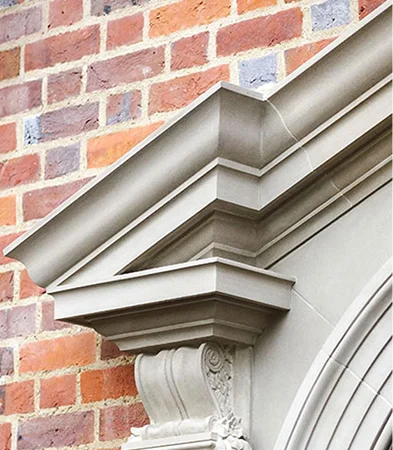
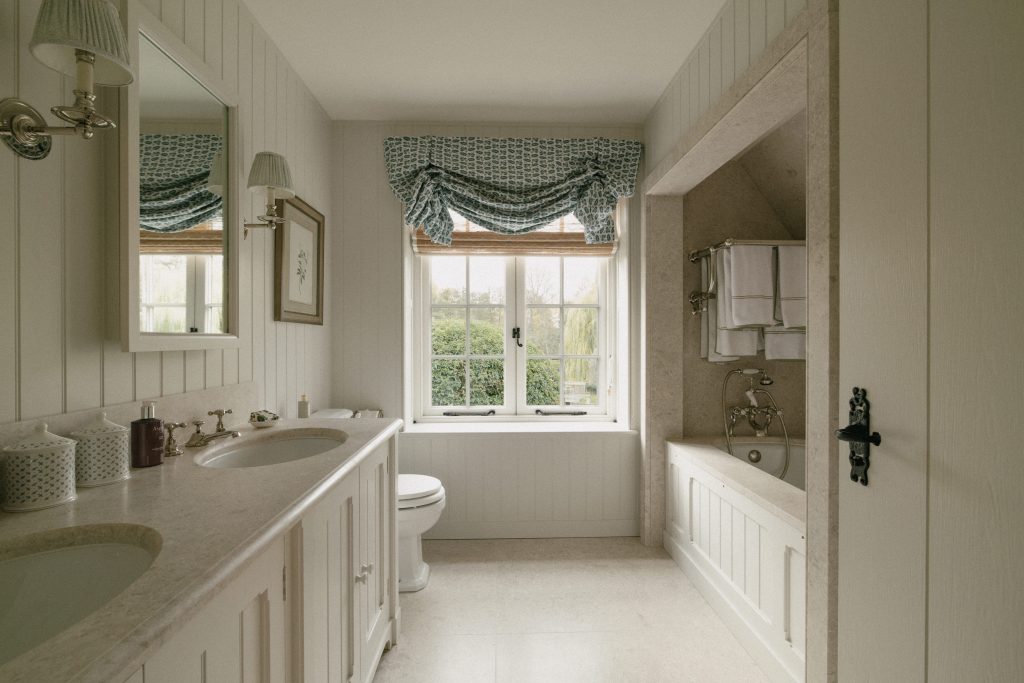
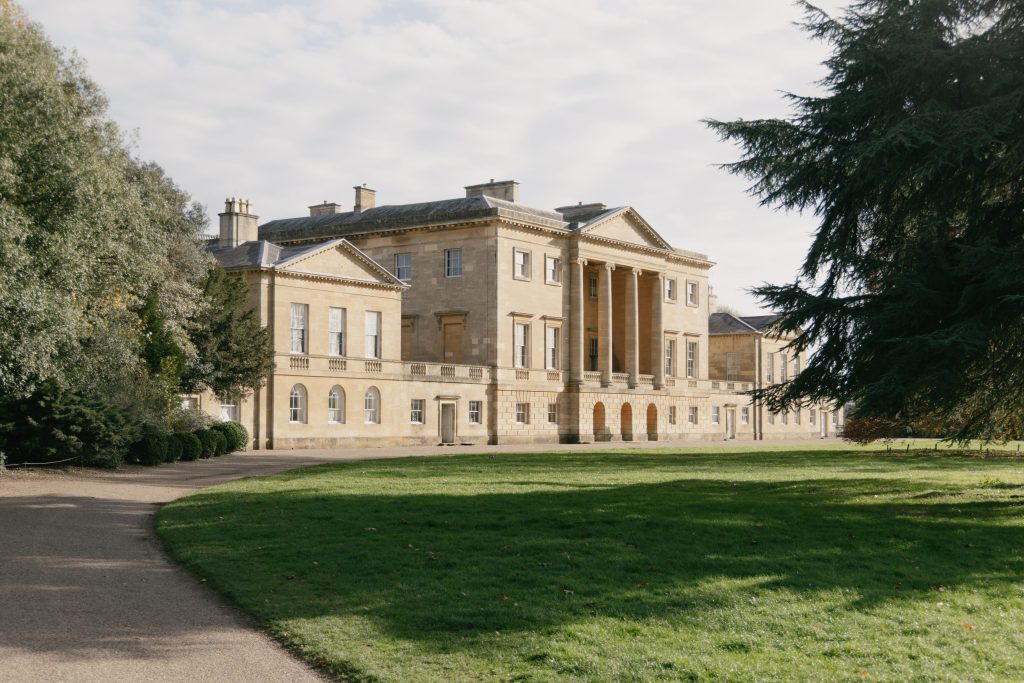

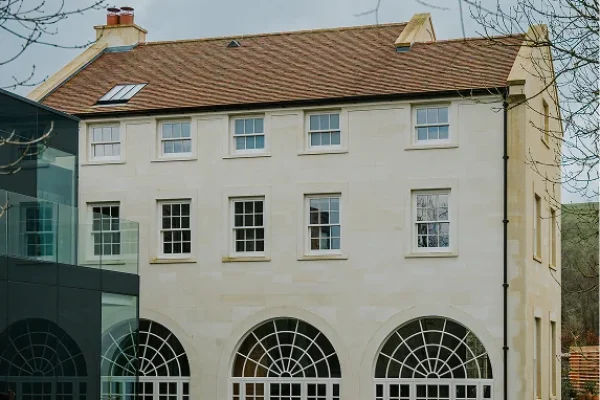
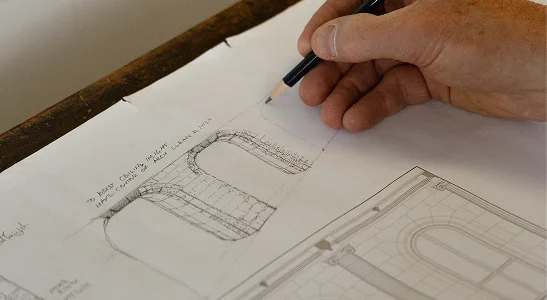

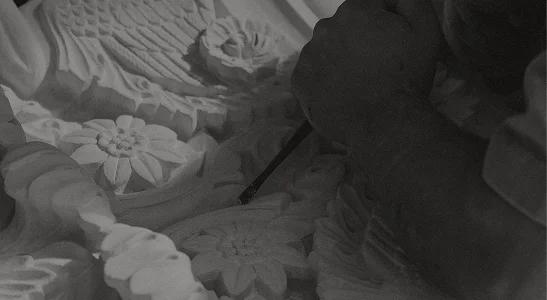
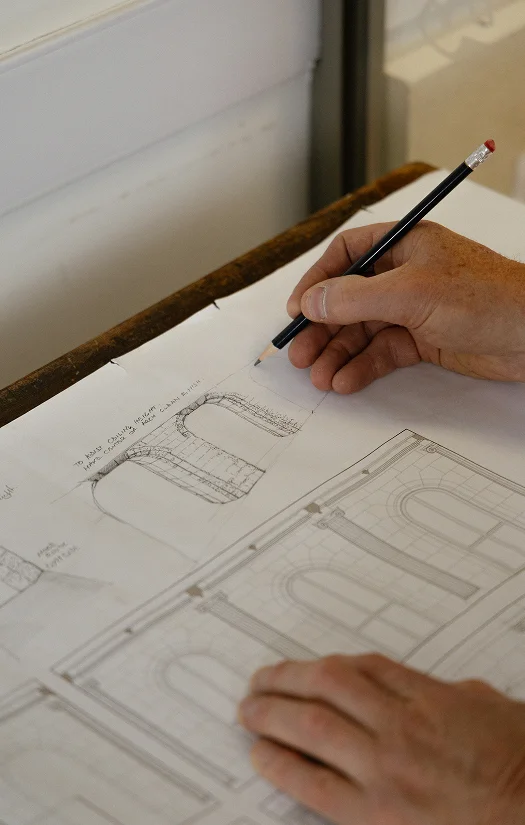


Stonemasonry is an ancient craft that has been practiced for thousands of years. It involves the cutting, shaping, and placement of stone to create structures, monuments, and other architectural elements. This article will delve into the intricate details of stone selection in the context of heritage and restoration stonemasonry.
Heritage and restoration stonemasonry is a specialized field that involves the preservation, repair, and restoration of historic stone structures. The selection of the right stone is crucial in this process, as it can greatly impact the longevity, aesthetics, and historical accuracy of the restored structure.
Understanding Stone Types
There are numerous types of stone used in masonry, each with its unique properties and characteristics. The choice of stone can significantly influence the final appearance and durability of the structure.

The most commonly used stones in masonry include granite, limestone, sandstone, marble, and slate. Each of these stones has unique properties that make them suitable for different applications.
Granite
Granite is a hard, durable stone that is resistant to weathering and erosion. It is often used in structures that require high strength and durability, such as foundations and load-bearing walls.
Granite comes in a variety of colors, including white, pink, and gray, and has a distinctive grainy texture. Its high polishability makes it a popular choice for decorative elements and monuments.
Limestone
Limestone is a sedimentary rock composed mainly of calcium carbonate. It is softer than granite, making it easier to work with, but also more susceptible to weathering and erosion.
Limestone is often used in the construction of buildings and monuments due to its availability and ease of shaping. It is also commonly used in the restoration of historic structures due to its historical accuracy.
Historical Accuracy and Stone Selection
When restoring a historic structure, it is crucial to maintain historical accuracy. This involves selecting a stone that matches the original as closely as possible in terms of color, texture, and composition.
Historical accuracy is not only important for aesthetic reasons but also for the structural integrity of the building. Using a stone that is significantly different from the original can lead to structural issues and damage over time.
Matching Stone Color
The color of the stone is one of the most noticeable features of a structure. Therefore, when selecting a stone for restoration, it is important to choose one that matches the original color as closely as possible.
Stone color can be influenced by a variety of factors, including mineral composition, weathering, and exposure to heat. Therefore, it may be necessary to source stone from the same quarry or region as the original to achieve an accurate color match.
Matching Stone Texture
Texture is another important factor to consider when selecting a stone for restoration. The texture of a stone can greatly influence the overall appearance of a structure and its ability to blend with the surrounding environment.
When restoring a historic structure, it is important to match the texture of the original stone as closely as possible. This may involve selecting a stone with a similar grain size, surface roughness, or weathering pattern.
Stone Durability and Longevity
Another crucial factor to consider when selecting a stone for restoration is its durability and longevity. The stone should be able to withstand the elements and maintain its structural integrity over time.
Different types of stone have different levels of durability. For example, granite is highly durable and resistant to weathering, while limestone is softer and more susceptible to erosion. Therefore, the choice of stone can greatly impact the longevity of the restored structure.
Weathering and Erosion
Weathering and erosion are natural processes that can cause stone to degrade over time. These processes can be accelerated by environmental factors such as rain, wind, and temperature fluctuations.
When selecting a stone for restoration, it is important to consider its resistance to weathering and erosion. Stones that are highly resistant to these processes, such as granite, are often preferred for restoration projects.
Structural Integrity
The structural integrity of a stone is its ability to maintain its shape and strength under load. This is a crucial factor to consider when selecting a stone for restoration, as it can greatly impact the longevity and safety of the restored structure.
Different types of stone have different levels of structural integrity. For example, granite is highly strong and durable, while limestone is softer and less resistant to load. Therefore, the choice of stone can greatly impact the structural integrity of the restored structure.
Environmental Impact of Stone Selection
The selection of stone for restoration projects can also have an environmental impact. This includes the energy used in quarrying and transporting the stone, as well as the potential for habitat destruction and pollution.
Therefore, it is important to consider the environmental impact of stone selection and aim to choose stones that are locally sourced and sustainably quarried whenever possible.
Energy Consumption
The quarrying and transportation of stone can consume a significant amount of energy. This can contribute to greenhouse gas emissions and climate change.
Therefore, when selecting a stone for restoration, it is important to consider the energy consumption associated with its production and transportation. Choosing locally sourced stone can help to reduce energy consumption and environmental impact.
Habitat Destruction and Pollution
Quarrying can also lead to habitat destruction and pollution. This includes the destruction of natural habitats for plants and animals, as well as the pollution of air and water resources.
Therefore, when selecting a stone for restoration, it is important to consider the potential for habitat destruction and pollution. Choosing stones that are sustainably quarried can help to minimize these impacts.
Conclusion
In conclusion, the selection of stone for heritage and restoration stonemasonry is a complex process that involves a variety of factors. These include the type of stone, historical accuracy, durability and longevity, and environmental impact.
By carefully considering these factors, it is possible to select a stone that not only enhances the aesthetic and historical value of the structure, but also ensures its longevity and minimizes its environmental impact.
Discover the Art of Stone with AF Jones Stonemasons
Embarking on a heritage or restoration project? Let the experts at AF Jones Stonemasons guide you through the journey of stone selection and craftsmanship. With over 160 years of experience, our dedicated team combines traditional skills with cutting-edge technology to bring precision, efficiency, and value to your unique project. Whether you’re looking to preserve historical integrity or create a new legacy, we offer a full spectrum of services from design to installation. Visit our showroom in Oxfordshire to explore your options or make an enquiry today to see how we can help realize the potential of stone in your next venture.