



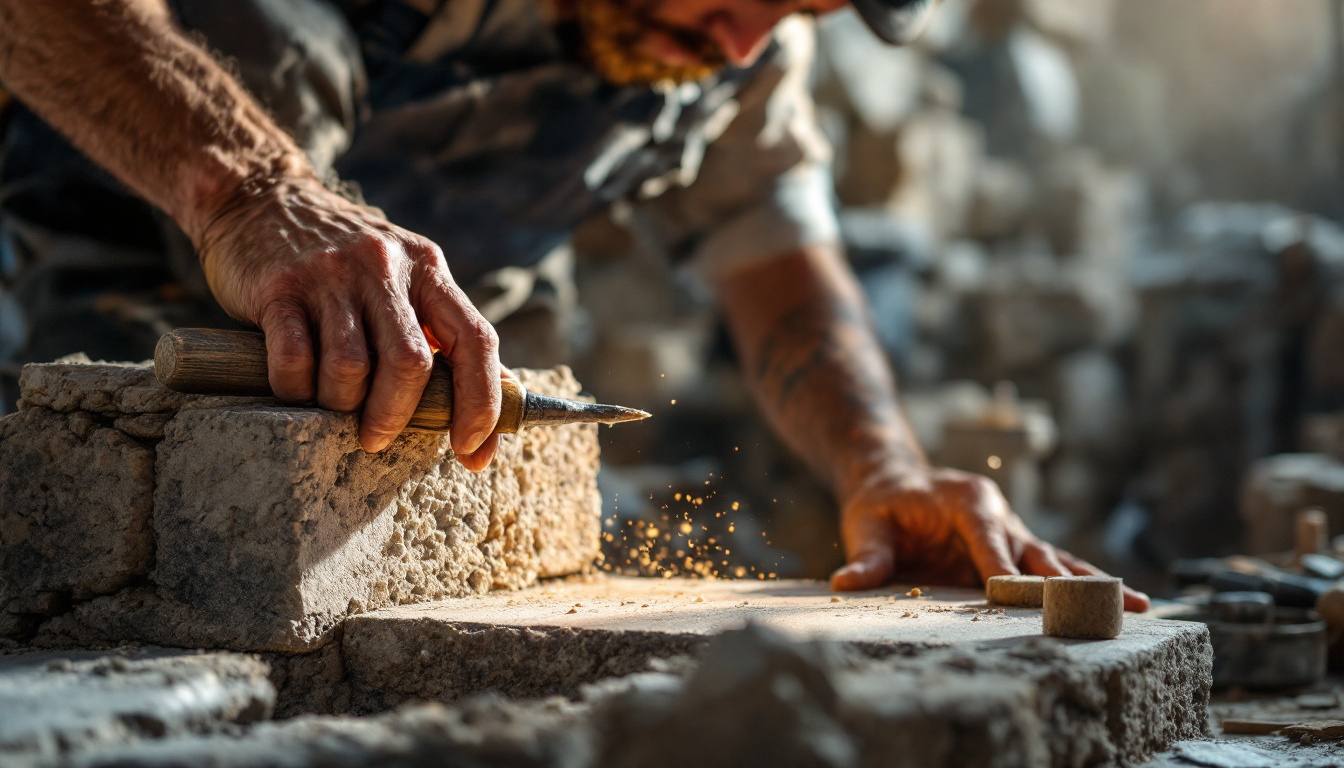
Heritage and restoration stonemasonry is a specialized field that focuses on the preservation, conservation, and restoration of historic stone structures. This discipline combines traditional stonemasonry techniques with modern conservation principles to ensure the longevity and integrity of our built heritage. This glossary article aims to provide an in-depth understanding of the key terms and concepts related to this field.
Understanding the terminology used in heritage and restoration stonemasonry is crucial for professionals working in the field, as well as for those interested in the preservation of historic buildings. This glossary will provide detailed explanations of these terms, along with their historical context and practical applications.
Heritage Stonemasonry
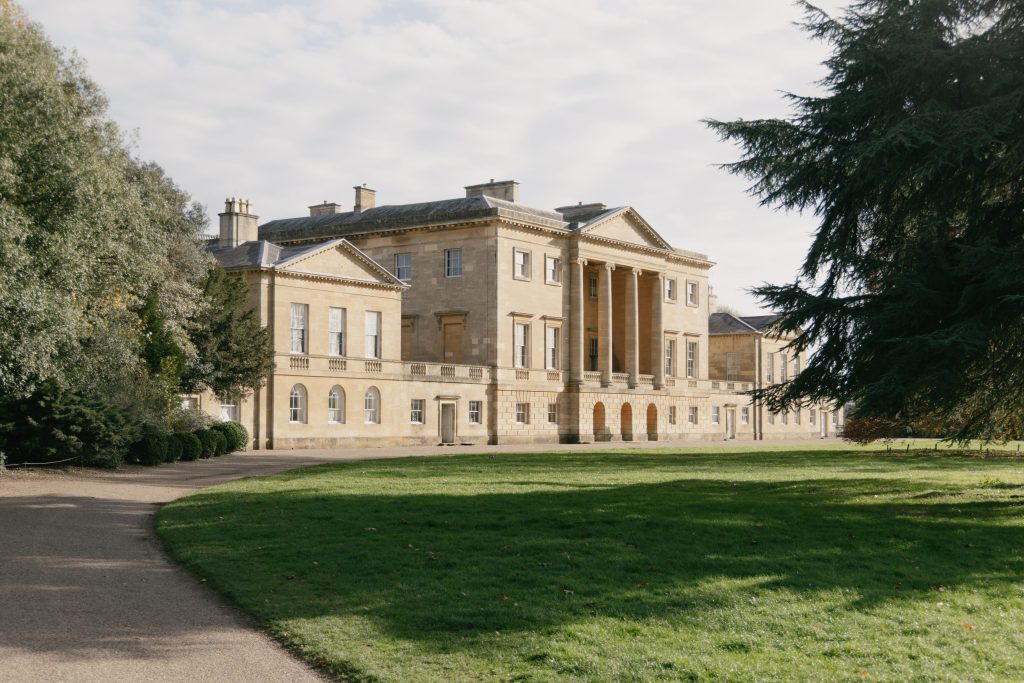
Heritage stonemasonry refers to the practice of constructing, maintaining, and restoring stone structures, particularly those of historical or cultural significance. This discipline requires a deep understanding of traditional building techniques, as well as the ability to work with a variety of stone types and tools.
Heritage stonemasons are often tasked with the preservation of historic structures, which involves careful analysis of the original building methods and materials, as well as the implementation of conservation strategies to prevent further deterioration. This work requires a delicate balance between maintaining the historical integrity of the structure and ensuring its structural stability.
Traditional Building Techniques
Traditional building techniques in stonemasonry involve the use of hand tools and locally sourced materials. These techniques have been passed down through generations and are often specific to a particular region or culture. Understanding these techniques is crucial for the accurate restoration and preservation of historic stone structures.
These techniques include, but are not limited to, dry stone walling, which involves the construction of walls without the use of mortar; and ashlar masonry, which involves the use of finely cut and dressed stones. Each technique requires a unique set of skills and knowledge, and understanding them is key to the successful conservation of our built heritage.
Stone Types and Tools
Heritage stonemasons work with a variety of stone types, each with its own properties and uses. Common stone types used in heritage stonemasonry include limestone, sandstone, and granite. The choice of stone depends on factors such as the original materials used in the structure, the local availability of stone, and the desired aesthetic.
The tools used in heritage stonemasonry are often traditional hand tools, such as chisels, hammers, and mallets. However, modern tools and machinery may also be used, particularly in large-scale restoration projects. The choice of tools depends on the specific requirements of the project and the techniques being used.
Conservation Principles
Conservation principles guide the practice of heritage and restoration stonemasonry. These principles aim to preserve the historical and cultural value of stone structures, while also ensuring their structural stability and longevity.
Key conservation principles include minimal intervention, reversibility, and respect for the original material and design. These principles guide all aspects of conservation work, from the initial assessment of the structure to the final restoration work.
Minimal Intervention
The principle of minimal intervention states that any conservation work should aim to cause the least amount of change to the original structure. This means that only necessary repairs and restorations should be carried out, and any changes should be as unobtrusive as possible.
This principle is based on the belief that every element of a historic structure has value, and that alterations can potentially diminish this value. By limiting interventions, conservationists aim to preserve as much of the original structure as possible, thereby maintaining its historical and cultural significance.
Reversibility
The principle of reversibility states that any changes made to a historic structure during conservation work should be reversible. This means that future generations should be able to undo any alterations, if necessary, without causing damage to the original structure.
This principle is important because it acknowledges that our understanding of heritage structures and conservation techniques is constantly evolving. By ensuring that changes are reversible, conservationists allow for the possibility of future improvements in conservation practice.
Respect for Original Material and Design
The principle of respect for original material and design states that conservation work should aim to preserve the original materials and design features of a historic structure. This means that any replacement materials should match the original as closely as possible, and that any alterations should be in keeping with the original design.
This principle is based on the belief that the original materials and design of a historic structure are integral to its historical and cultural value. By respecting these elements, conservationists aim to maintain the authenticity and integrity of our built heritage.
Restoration Techniques
Restoration techniques in heritage and restoration stonemasonry involve the use of traditional building techniques, as well as modern methods and materials, to restore historic stone structures to their original condition.
These techniques include, but are not limited to, stone carving, repointing, and stone replacement. Each technique requires a unique set of skills and knowledge, and understanding them is key to the successful restoration of our built heritage.
Stone Carving
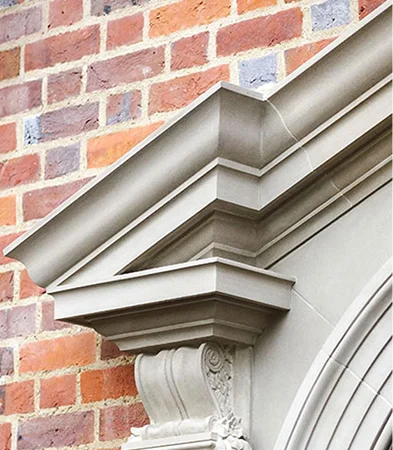
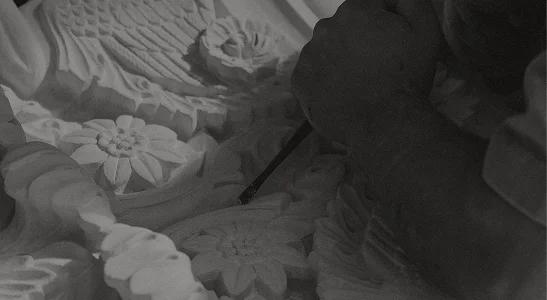
Stone carving is a traditional technique used in heritage and restoration stonemasonry to create detailed designs and features in stone. This technique involves the use of hand tools, such as chisels and mallets, to shape the stone.
Stone carving requires a high level of skill and precision, as well as a deep understanding of the properties of the stone being used. This technique is often used in the restoration of decorative elements of historic structures, such as sculptures and architectural details.
Repointing
Repointing is a restoration technique that involves the removal and replacement of deteriorated mortar in the joints between stones. This technique is crucial for the structural stability of stone structures, as well as for their aesthetic appearance.
Repointing requires a careful assessment of the original mortar, including its composition, color, and texture, to ensure that the replacement mortar matches as closely as possible. This technique also requires a high level of skill and precision to ensure that the new mortar is properly applied and finished.
Stone Replacement
Stone replacement is a restoration technique that involves the removal and replacement of damaged or deteriorated stones. This technique is often necessary when the original stone is too damaged to be repaired, or when it poses a risk to the structural stability of the structure.
Stone replacement requires a careful assessment of the original stone, including its type, size, and finish, to ensure that the replacement stone matches as closely as possible. This technique also requires a high level of skill and precision to ensure that the new stone is properly installed and finished.
Conclusion
Heritage and restoration stonemasonry is a complex and specialized field that requires a deep understanding of traditional building techniques, conservation principles, and restoration techniques. This glossary provides a comprehensive overview of the key terms and concepts related to this field, and serves as a valuable resource for professionals and enthusiasts alike.
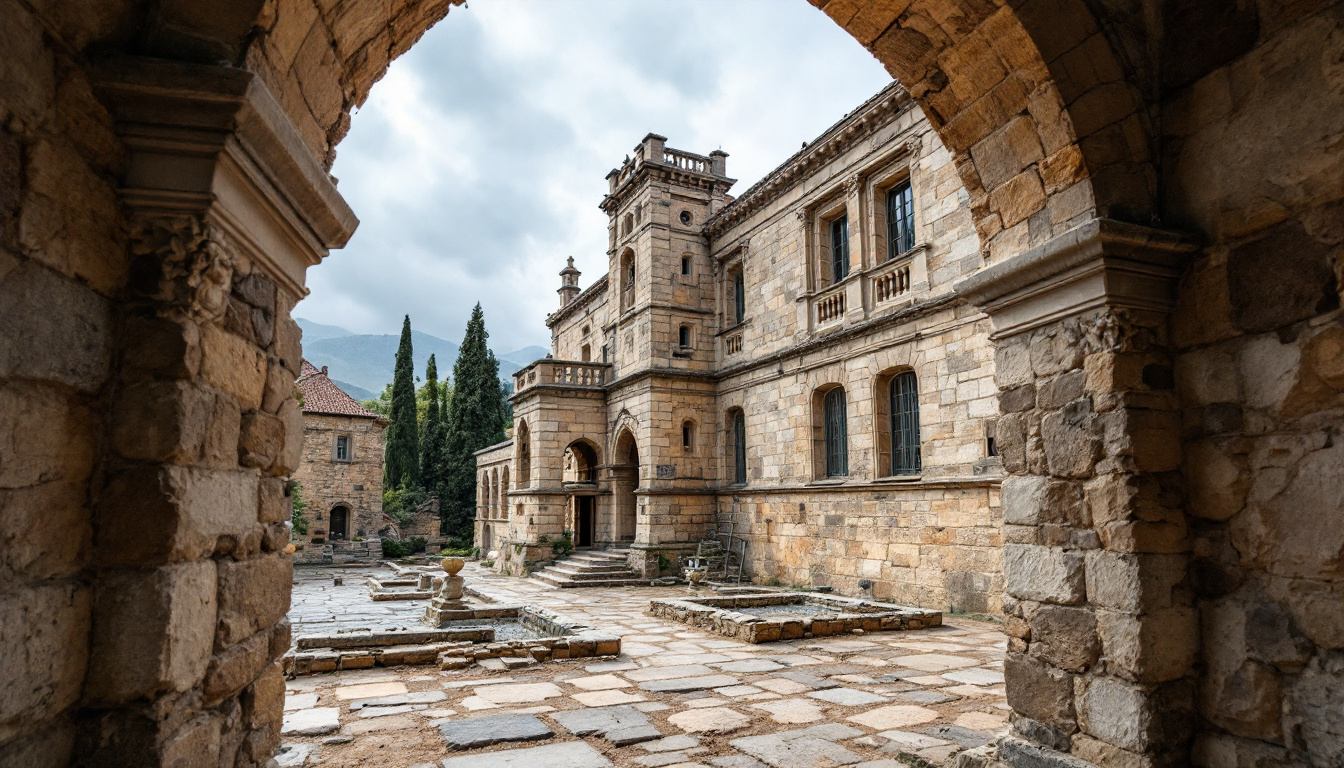
By understanding and applying these terms and concepts, we can ensure the successful conservation and restoration of our built heritage, and preserve these structures for future generations to appreciate and learn from. The field of heritage and restoration stonemasonry is a testament to our commitment to preserving our cultural heritage, and this glossary is a testament to the depth and complexity of this important discipline.
Discover the Expertise of A F Jones Stonemasons
If you’re inspired by the art of heritage and restoration stonemasonry and are seeking to preserve the legacy of your own historic structure, look no further than A F Jones Stonemasons. With over 160 years of experience and a blend of traditional craftsmanship and modern technology, our team is equipped to bring precision, efficiency, and value to your project. Whether it’s a grand-scale restoration or a bespoke private commission, we are ready to support your vision. Visit our showroom in the rolling hills of Oxfordshire to explore your options, or make an enquiry today to see how we can help realize the true potential of stone in your building.